
"African coffee decline"
600 article(s) found
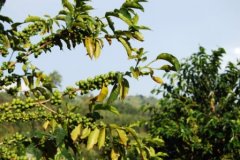
Kenyan coffee boutique coffee delicious African coffee
Coffee entered Kenya in the 19th century, when Ethiopian coffee drinks were imported into Kenya through southern Yemen. But it was not until the early 20th century that the Bourbon Coffee Tree was created by the St. Austen Mission (St). AustinMission) is introduced. Kenyan coffee is mostly grown at an altitude of 1500 to 2100 meters and is harvested twice a year. To ensure that only ripe berries are picked, people must be in the forest

Introduction to Fine Coffee-- African Kenyan AA Fine Coffee Kenny
Rare good coffee-famous for its rich aroma and balanced acidity. People in the coffee industry all think that Kenyan coffee is one of its favorite products, because Kenyan coffee contains every feeling we want from a good cup of coffee. It has wonderful and satisfying aromas, well-balanced acidity, well-proportioned particles and excellent fruit flavors. Coffee

Tanzania Coffee Bean treatment method for planting Historical Coffee varieties
Exchange of professional baristas Please pay attention to the coffee workshop (Wechat official account cafe_style) the sweet citrus fruit aromas and flavors of Tanzanian coffee make you feel the flavor of orange and grapefruit. In fact, Tanzanian coffee is very similar to Kenyan coffee, both coffee emit African acidity and citrus aroma. And Tanzanian coffee has a unique aroma of raisins to make.

Niya coffee mostly grows at an altitude of 1500~2100 meters African boutique coffee Kenyan flavor
Niya coffee is mostly grown at altitudes of 1500 to 2100 meters and harvested twice a year. To make sure only ripe berries are picked, people have to make about seven rounds through the woods. Kenyan coffee is grown by small farmers who harvest the coffee and send it fresh to a cooperative washing station, where the washed, dried coffee is washed into parchment coffee beans (i.e., coated inside).

Where does decaf black tea come from? South African Louis Boss tea is not suitable for anyone. What's the harm?
The origin of Louis Bols tea is Rooibos or Redbush or Bols tea, which is a caffeine-free smooth herbal tea from Africa. Although its popularity in the UK has grown rapidly over the past few years, it is still relatively unknown compared with other teas. Louis Persia grows only in a specific part of South Africa. The plant itself grows in the Fynbos ecological region.

Flavor characteristics of African Kenyan coffee bean producing areas an introduction to the history of Kenyan coffee culture
Coffee entered Kenya in the 19th century, when Ethiopian coffee drinks were imported into Kenya through southern Yemen. But it was not until the early 20th century that the Bourbon Coffee Tree was created by the St. Austen Mission (St). AustinMission) is introduced. Most Kenyan coffee grows at an altitude of 1500 to 210.

A brief introduction to the flavor and aroma characteristics of Kenyan Jinchu fine coffee beans with rich and perfect taste
Kenyan Coffee became more famous with the sensation of the Hollywood movie OutofAfrica. Karen, the heroine played by Meryl Streep (MarylStreep), is a writer and coffee plantation owner. Many people may still remember the beautiful scenery and the magnificent sunset in the film, but what is even more unforgettable is that Karen wants to have a coffee in Africa.

Ethiopian Coffee Manor Flavor Description Producing fine coffee beans Features
Ethiopia is dominated by mountainous plateaus, mostly subordinate to Ethiopian plateau, the central and western parts are the main plateau, accounting for 2/3 of the whole territory, the Great Rift Valley of East Africa runs through the whole territory, with an average altitude of nearly 3,000 meters, known as the roof of Africa. The terrain around the plateau gradually declines. The Darol depression in the north drops to 113 meters below sea level, the lowest point in the country. The Red Sea coast is a narrow strip of plain

Angola Coffee Bean Price Flavor Description Grind Treatment Growing Environment Introduction
In the 1970s, commercial coffee production in Angola was about 180,000 tons per year. Uige Province coffee cultivation area of 161,000 hectares, annual output of 99,550 tons, is the largest coffee cultivation
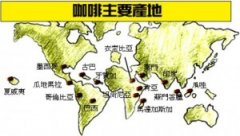
Ethiopia, the origin of African Kenyan coffee beans.
Kenyan coffee most Kenyan coffee grows at an altitude of 15002100 meters and is harvested twice a year. Its main feature is a distinct fruit aroma, the common fruit aroma is citrus. Kenyan coffee has a multi-layered taste and juice acidity, perfect grapefruit and wine flavor, moderate mellow, is the favorite of many people in the coffee industry. Kenyan coffee, please.
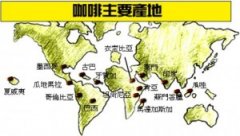
Ethiopia, the origin of African Kenyan coffee beans.
Kenyan coffee most Kenyan coffee grows at an altitude of 15002100 meters and is harvested twice a year. Its main feature is a distinct fruit aroma, the common fruit aroma is citrus. Kenyan coffee has a multi-layered taste and juice acidity, perfect grapefruit and wine flavor, moderate mellow, is the favorite of many people in the coffee industry. Kenyan coffee, please.

African boutique coffee A rare good coffee-famous for its rich aroma and balanced acidity
Coffee entered Kenya in the 19th century, when Ethiopian coffee drinks were imported into Kenya through southern Yemen. But it was not until the early 20th century that the Bourbon Coffee Tree was created by the St. Austen Mission (St). AustinMission) is introduced. Kenyan coffee is mostly grown at an altitude of 1500 to 2100 meters and is harvested twice a year. To ensure that only ripe berries are picked, people must be in the forest

Fragrant, full-bodied Kenyan Coffee Berman Manor Flavor characteristics of Fine Coffee
The coastal areas are plains, and most of the rest are plateaus with an average elevation of 1500 meters. The eastern branch of the East African Rift Valley cuts longitudinally from the north to the south of the plateau, dividing the highland into east and west. The bottom of the Great Rift Valley is 450 miles below the plateau and 100 kilometers wide, with lakes of varying depths and many volcanoes standing. The north is desert and semi-desert, accounting for about 56% of the country's total area. Medium
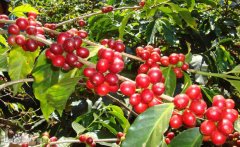
People in the coffee industry all think that Kenyan coffee is one of its favorite products, African coffee.
Coffee entered Kenya in the 19th century, when Ethiopian coffee drinks were imported into Kenya through southern Yemen. But it was not until the early 20th century that the Bourbon Coffee Tree was created by the St. Austen Mission (St). AustinMission) is introduced. Kenyan coffee is mostly grown at an altitude of 1500 to 2100 meters and is harvested twice a year. To ensure that only ripe berries are picked, people must be in the forest

If you don't grow good coffee, you'll go to jail! What is the flavor of Ugandan coffee?
Professional Coffee knowledge Exchange more information on coffee beans Please follow the coffee workshop (Wechat official account cafe_style) in ancient times, coffee was considered necessary for Ugandan soldiers to chew before they went to war, because soldiers believed it would bring them courage and victory, and now science has proved that it is caffeine. Uganda, which is located at the source of the Nile, is a landlocked country in Africa that does not rely on the sea.

Angola is expected to become a major coffee producer again
Angola is poised to regain its status as the world's largest coffee producer thanks to a nationwide coffee growing campaign, said Josefa Correa Saco, secretary general of the Organization of African States Coffee.

What are the characteristics of Kenyan coffee varieties? why do Kenyan AA coffee beans taste so sour?
Professional Coffee knowledge Exchange more information on coffee beans Please follow the front street of Coffee Workshop (official Wechat account cafe_style)-Coffee Kenya introduces the Kenyan government takes coffee industry very seriously, where it is illegal to cut down or destroy coffee trees. The coffee buyers in Kenya are all world-class quality coffee.

The inheritance of coffee
The world's first bag of coffee beans slowly left the African continent in the 6th century AD and developed for thousands of years. In 1530, the first coffee shop appeared in Damascus, north of the Ottoman Turkish Empire, and the word coffee appeared in British newspapers in 1601. For more than a thousand years, coffee trees have blossomed everywhere in the most livable land in the world, and finally formed major producing areas. At present

Ask the nurse about coffee.
The world's first bag of coffee beans slowly left the African continent in the 6th century AD and developed for thousands of years. In 1530, the first coffee shop appeared in Damascus in the north of the Ottoman Empire. In 1601, the word coffee appeared in British newspapers. For more than 1,000 years, coffee trees have blossomed and fruited everywhere in the most suitable land for survival in the world, and finally formed major producing areas. currently